
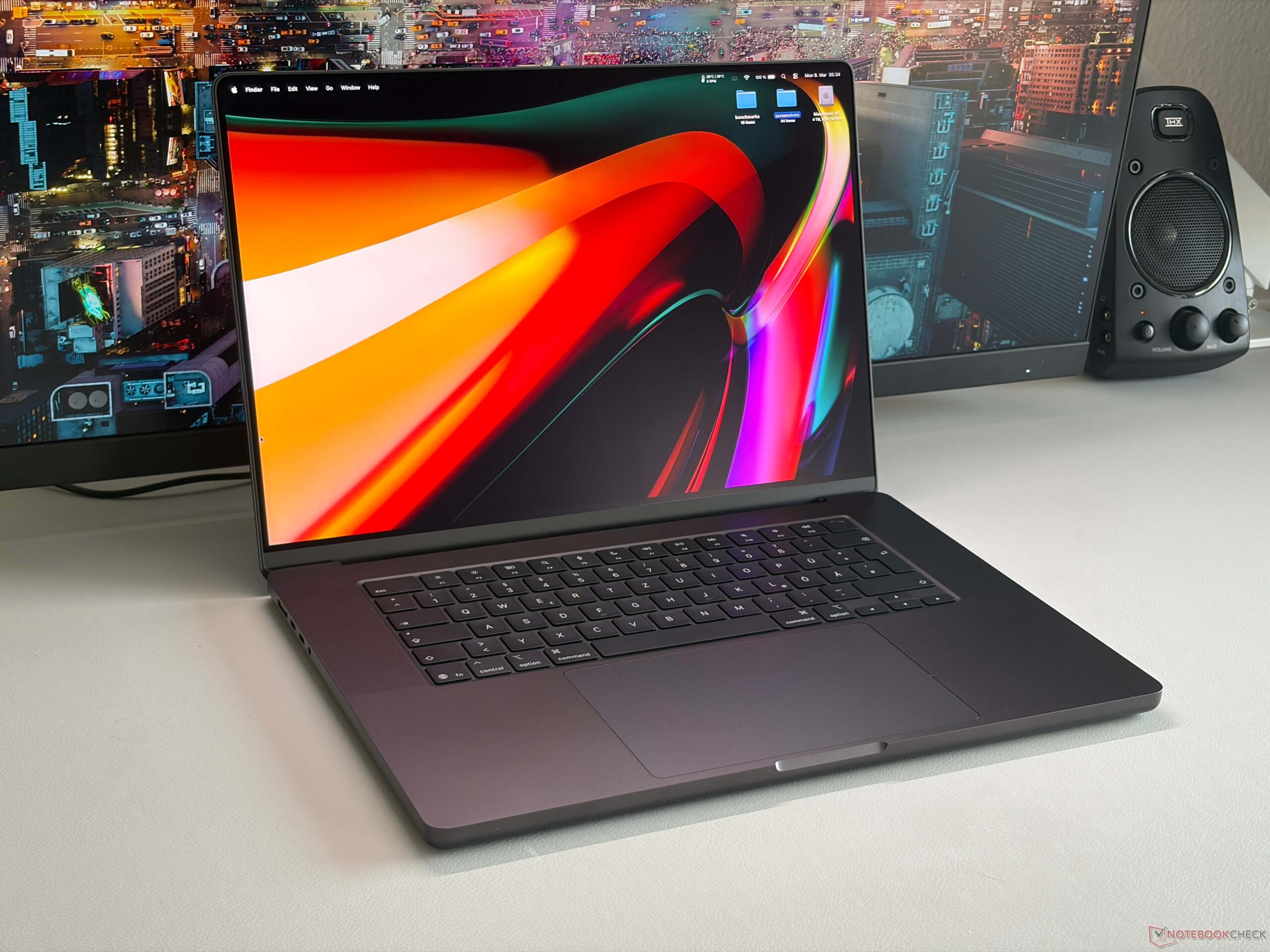
An OLED monitor (Organic Light Emitting Diode monitor) is a display that uses self-illuminating pixels to produce images. Unlike traditional LCD monitors, OLED displays do not require a separate backlight. This allows them to deliver deeper blacks, vibrant colours, excellent contrast, and fast response times.
These features make an OLED computer monitor suitable for gaming, graphic design, photo editing, and video production. However, factors such as price and the potential for screen burn-in are worth considering before buying one.
OLED technology uses organic compounds that emit light when an electric current passes through them. Each pixel produces its own light and can switch off independently, allowing an OLED computer screen to display true blacks and detailed images.
OLED monitors also offer wide viewing angles and accurate colour reproduction, making them useful for both entertainment and professional creative work.
OLED vs. LCD Monitors: What’s the Difference?
The main difference between OLED and LCD monitors is how they produce images.
LCD monitors use a backlight to illuminate their pixels, while OLED displays generate light at the individual pixel level. As a result, OLED monitors generally offer better contrast, deeper blacks and faster response times.
However, LCD monitors are often more affordable and do not face the same level of burn-in risk. Your choice depends on your budget, intended use and preferred display quality.
Benefits of OLED Monitors for Gaming
An OLED gaming monitor can provide a more immersive gaming experience through its rich colours, high contrast and quick pixel response times. These features help reduce motion blur and make fast-moving scenes appear clearer.
When choosing an OLED monitor for gaming, consider the refresh rate, response time, resolution and screen size. A higher refresh rate can provide smoother gameplay, while a higher resolution delivers sharper images.
Choose a monitor that matches your gaming preferences, computer hardware, and budget.
Common Concerns About OLED Monitors
One concern with OLED displays is burn-in, which can occur when static images remain on the screen for extended periods. Modern OLED monitors include protective features such as pixel shifting and screen refresh functions to help reduce this risk.
OLED pixels can also experience gradual degradation with use. To help maintain your monitor, enable its built-in protection features, avoid displaying static content continuously, and follow the manufacturer’s maintenance recommendations.
Although these concerns are worth considering, they do not automatically make OLED monitors a poor investment. Your usage habits and the specific model you choose matter.
How to Choose the Right OLED Monitor
Before purchasing an OLED monitor, consider these key factors:
Purpose: The reason you need a monitor is very important in making a decision on which to go for. Whether for Gaming, office work or content creation, all has their different requirements.
Screen size: This is a very important aspect to check out when making a choice. You definitely want to choose a size that suits your workspace and viewing distance. Sizes range from 24-inch to 32-inch, up to 40-inch
Resolution: Higher resolutions provide more detail but may require more powerful hardware.
Refresh rate: A higher refresh rate benefits gaming and other fast-moving content.
Colour accuracy: Important for graphic design, photography and video editing. Budget: Compare the monitor’s features, warranty and overall value before buying.
Flat and curved OLED monitors are also available. A curved display may create a more immersive experience, while a flat screen may suit users who prefer a traditional layout.
What the future holds for OLED tech.
OLED technology continues to develop, with manufacturers exploring improvements in brightness, efficiency, durability and flexibility. Foldable and rollable OLED displays also demonstrate how flexible screen technology could expand the possibilities for portable computing and other devices.
OLED technology already plays an important role in monitors, televisions and smartphones, and continued development may bring further improvements to display quality and design.
An OLED monitor is worth considering if you prioritize excellent contrast, deep blacks, vibrant colours and fast response times. It can be particularly appealing to gamers and creative professionals who value image quality.
However, LCD monitors may offer better value if affordability is your main concern or your work involves displaying static content for long periods.
Ultimately, the best OLED monitor depends on your needs, budget and how you plan to use it.
1 thought on “OLED Monitor: Benefits, Features, and How to Choose One”